






Must-See Places In Amsterdam For First-Time Visitors
Must-See Places in Amsterdam for First-Time Visitors: The Essential City Guide
Amsterdam stands among the most captivating cities in Europe, especially for first-time travelers. The Dutch capital blends historic charm with a vibrant modern lifestyle, creating an atmosphere that feels both relaxed and exciting.
Scenic canals curve through the historic center, narrow merchant houses lean slightly over the water, and hundreds of bicycles move effortlessly across elegant bridges. As you explore the city, you quickly realize that Amsterdam is not only about famous landmarks but also about the unique rhythm of everyday life that unfolds along its canals, squares, and lively neighborhoods.
For first-time visitors, discovering the must-see places in Amsterdam helps transform a simple trip into a complete city experience. From the iconic canal belt and atmospheric historic districts to cultural squares and scenic viewpoints, the city offers countless places worth exploring.
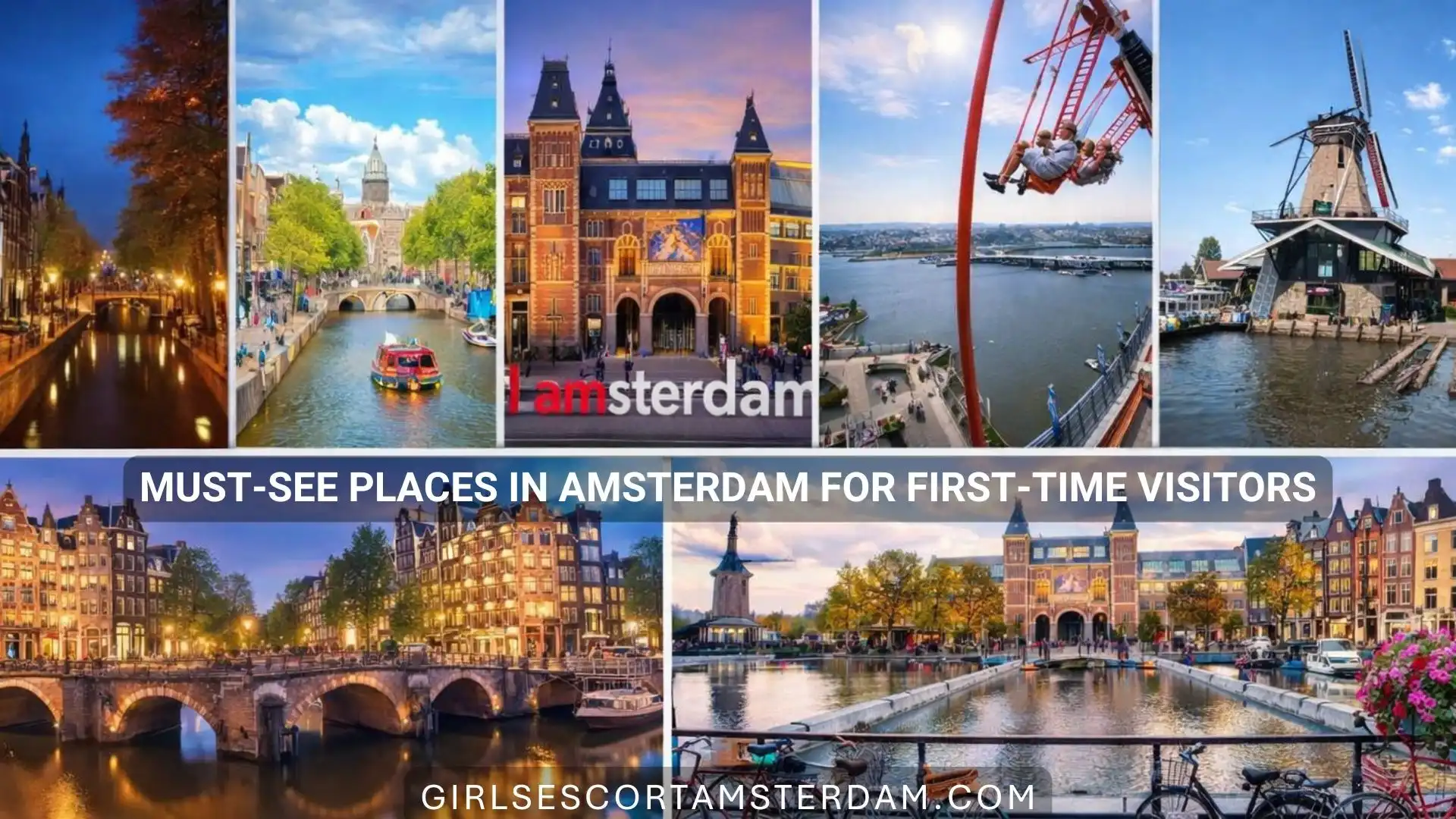
Many travelers begin by discovering the city’s highlights through a broader guide, such as our complete guide to things to do in Amsterdam, then dive deeper into the most beautiful areas and local spots that give the city its unmistakable character. In this guide, you will discover the essential places that every first-time visitor should see while exploring one of Europe’s most fascinating and welcoming capitals.
Understanding Amsterdam: Where First-Time Visitors Should Start
Amsterdam looks compact on a map, but the city reveals a fascinating structure as you explore it. First-time visitors understand the city much faster when they learn how its layout works, and that knowledge makes every walk easier and far more enjoyable. The historic canal ring forms the heart of Amsterdam and naturally guides travelers through many of the city’s most famous areas. Inside this canal belt, visitors discover scenic waterways, elegant merchant houses, charming bridges, and lively streets filled with cafés, shops, and cultural landmarks.
Most of the must-see places in Amsterdam sit within a relatively small area surrounding the historic center. Because of this layout, many travelers explore the city on foot or by bicycle, moving effortlessly from one district to another. As you walk through the canals, you will notice how each neighborhood offers a slightly different atmosphere, from historic streets and cultural squares to creative districts and peaceful green spaces. Once you understand the basic structure of Amsterdam, navigating the city becomes simple and discovering its most beautiful places feels completely natural.
Why Amsterdam Is One of Europe’s Most Walkable Cities
Amsterdam consistently ranks among the most walkable cities in Europe. The historic center developed long before cars existed, so narrow streets, canals, and small bridges naturally encourage walking and cycling. For first-time visitors, this makes exploring the city both easy and enjoyable. You can start your day near Central Station and quickly reach famous squares, scenic canals, museums, and lively neighborhoods without needing taxis or long public transport rides.
Walking also allows visitors to experience the authentic rhythm of Amsterdam. As you move through the streets, you pass cozy cafés, local bakeries, boutique stores, and historic canal houses that reveal the city’s character. Many travelers discover that their favorite moments happen while wandering without a strict plan, simply following the canals and exploring small streets that lead to unexpected views and charming local spots.
How the Canal System Shapes the City Layout
The canal system defines the structure of Amsterdam and shapes the way visitors experience the city. During the Dutch Golden Age in the seventeenth century, city planners created a series of semicircular canals that expanded outward from the historic center. This famous canal belt, known as the Grachtengordel, allowed merchants to build elegant houses and warehouses while controlling water levels across the growing city.
Today, these canals form one of the most recognizable landscapes in Europe. Visitors walking along canals such as Herengracht, Keizersgracht, and Prinsengracht enjoy views of historic merchant houses, picturesque bridges, and tree-lined streets. Because the canals naturally connect different districts, they act like visual pathways that guide travelers through Amsterdam’s most beautiful neighborhoods.
The Main Areas Every Visitor Should Know
Before exploring the city in detail, first-time visitors benefit from understanding a few key areas that define Amsterdam. The historic center around Dam Square represents the oldest part of the city and contains important landmarks, historic streets, and lively public spaces. Nearby, the famous canal belt surrounds the center with elegant waterways and seventeenth-century architecture that reflects Amsterdam’s Golden Age prosperity.
Beyond the canal district, several neighborhoods offer their own unique atmosphere. Jordaan offers charming streets and local cafés, and De Pijp attracts visitors with vibrant markets and restaurants. At the same time, Amsterdam Noord reveals a creative, modern side of the city across the IJ River. Together, these districts form the foundation of Amsterdam’s character and help first-time visitors experience the city from multiple perspectives.
The Historic Center: Where Amsterdam’s Story Begins
The historic center of Amsterdam is the place where the city’s story truly begins. This area developed around the original Dam on the Amstel River, which later gave the city its name. Today, the historic center remains one of the most fascinating parts of Amsterdam, filled with medieval streets, lively squares, centuries-old buildings, and scenic canals that reflect the city’s long trading history. For first-time visitors, walking through this district offers an immediate introduction to the atmosphere that makes Amsterdam so distinctive.
Exploring the historic center also allows travelers to understand how Amsterdam evolved from a small fishing settlement into one of Europe’s most influential trading cities. Many of Amsterdam’s must-see places are in this central district, including historic churches, merchant houses, cultural landmarks, and charming public squares. As you move through these streets, you will notice how history blends seamlessly with modern city life. Cafés, boutiques, galleries, and restaurants now occupy buildings that once belonged to merchants, sailors, and artisans during Amsterdam’s Golden Age.
Dam Square and the Historic Heart of the City
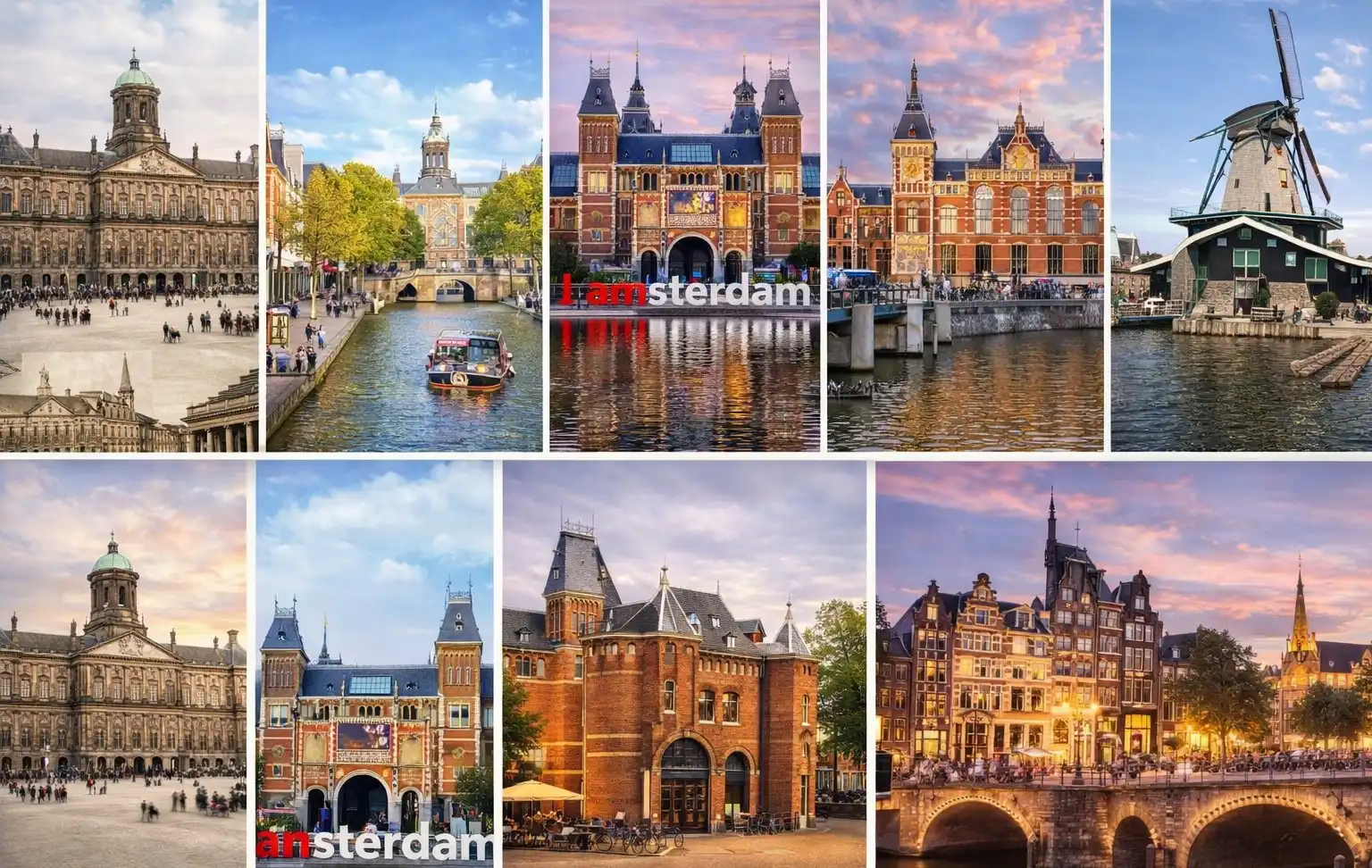
Dam Square stands at the historic heart of Amsterdam and is one of the city’s most recognizable landmarks. For centuries, this large public square has functioned as a central gathering place where commerce, politics, and everyday life intersect. Today, visitors often begin their exploration of Amsterdam here because many important streets and neighborhoods radiate outward from this central location.
The square hosts several impressive buildings, including the Royal Palace and the Nieuwe Kerk, both of which reflect the wealth and influence Amsterdam achieved during the Dutch Golden Age. Street performers, musicians, and artists frequently animate the square, creating a lively atmosphere throughout the day. From Dam Square, travelers can easily walk to the Canal District, the Nine Streets, or other historic areas that define the city’s character.
The Medieval Streets Around Oude Kerk
Just a short walk from Dam Square, visitors reach one of Amsterdam’s oldest areas, surrounding the historic Oude Kerk. These narrow streets date back to the medieval period and still preserve the irregular layout that existed long before the city expanded during the seventeenth century. Walking through this part of the city feels like stepping into Amsterdam’s earliest history.
The area around Oude Kerk also sits near the famous Red Light District, one of the city’s most talked-about neighborhoods. Travelers who want to understand its background and cultural context can explore our complete Red Light District Amsterdam guide. Beyond its reputation, this historic district contains beautiful canals, centuries-old buildings, and hidden streets that reflect Amsterdam’s medieval origins.
Hidden Courtyards and Historic Passageways
One of the most charming aspects of Amsterdam’s historic center is the presence of hidden courtyards and quiet passageways that many visitors overlook. Behind busy shopping streets and lively canals, small gates often open into peaceful inner gardens surrounded by historic houses. These spaces once served as private courtyards for religious communities, charitable institutions, or residential complexes.
Discovering these quiet places offers a completely different perspective of the city. While the streets outside remain lively and energetic, these courtyards create calm environments where visitors can pause and appreciate the architectural details of old Amsterdam. Exploring these hidden corners reveals a softer side of the historic center and shows how layers of history still shape the city’s atmosphere today.
Scenic Bridges and Classic Canal Views
Amsterdam’s historic center contains some of the most picturesque bridges in Europe. These elegant structures cross the canals at regular intervals, connecting narrow streets and creating the postcard views that travelers often associate with the Dutch capital. Many of the bridges date back centuries and reflect the engineering creativity that allowed Amsterdam to grow across water.
Walking across these bridges gives visitors beautiful perspectives of the surrounding canals, historic merchant houses, and tree-lined streets. Early morning and evening often provide the most magical moments, when the water reflects the soft light from street lamps and canal houses. These simple views often become the most memorable images of Amsterdam for first-time visitors.
The Most Beautiful Canal Areas in Amsterdam
The canals define Amsterdam’s visual identity and are among the city’s most beautiful places. For first-time visitors, exploring the canal belt offers an unforgettable introduction to Amsterdam’s architecture, history, and relaxed atmosphere. Built during the seventeenth century, the famous canal ring surrounds the historic center with elegant waterways lined by tall merchant houses, leafy streets, and charming bridges. This area, known as the Grachtengordel, now forms one of the most recognizable urban landscapes in Europe.
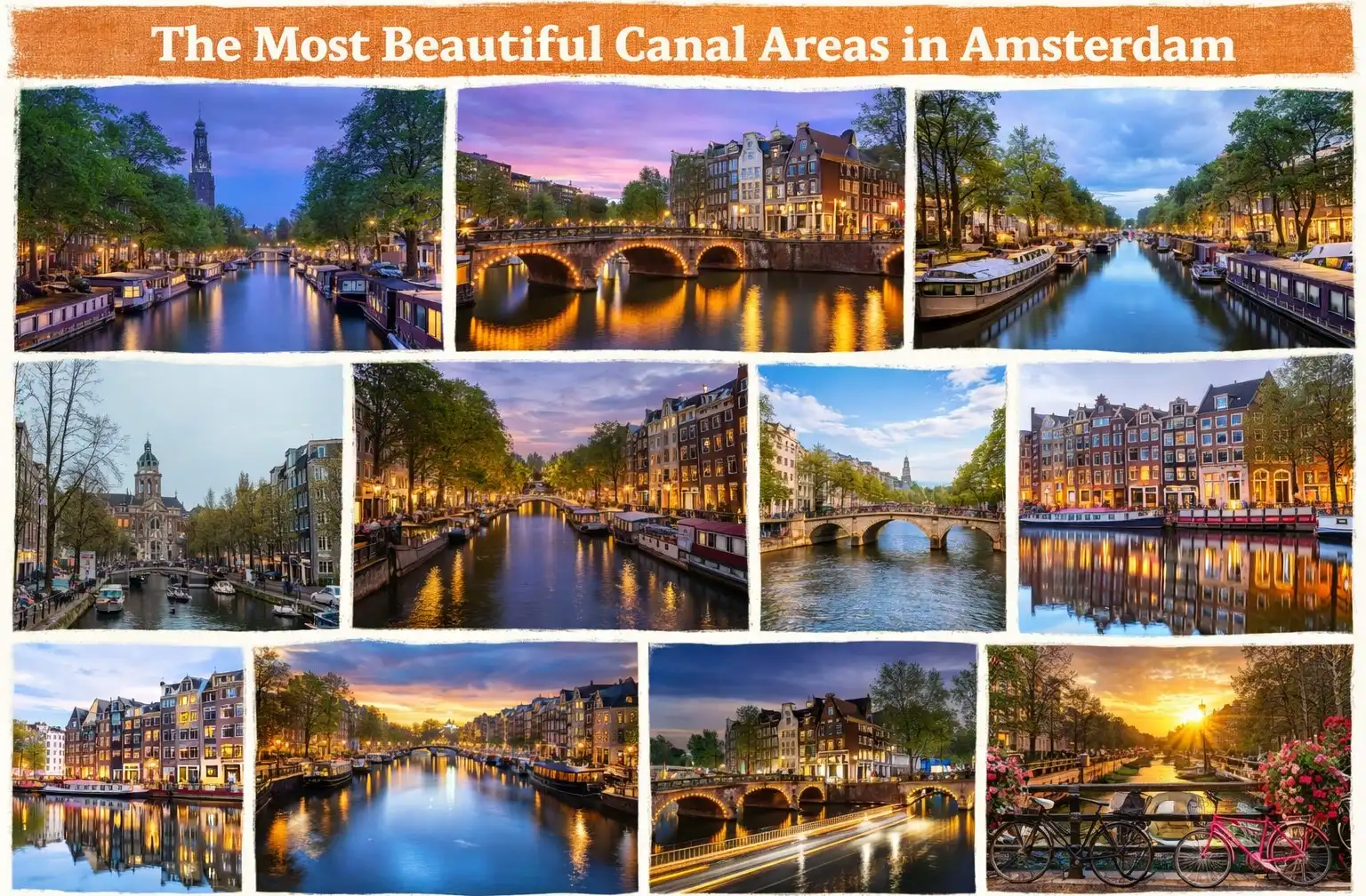
Walking along the canals allows visitors to experience the city at a comfortable pace while discovering scenic viewpoints around every corner. Many of the most photogenic streets, boutique shops, and cozy cafés sit directly beside these waterways. Travelers often spend hours wandering along the canals without a strict plan, stopping for coffee, visiting local stores, or simply enjoying the calm reflections on the water. If you want to experience a wider variety of activities across the city, you can also explore our complete guide to things to do in Amsterdam, which covers additional experiences beyond the Canal District.
The Elegant Canal Belt (Grachtengordel)
The canal belt forms the architectural heart of Amsterdam and remains one of the most impressive urban planning achievements of the Dutch Golden Age. City planners designed the canals in semicircles that expand outward from the historic center, creating a structured network of waterways that allowed the city to grow while controlling water levels. Wealthy merchants built elegant houses along these canals, many of which still stand today.
Visitors exploring the canal belt quickly notice the distinctive, tall, narrow canal houses that define Amsterdam’s skyline. These homes once served both residential and commercial purposes, with storage spaces for goods arriving through the canals. Today, many of these buildings host boutique hotels, stylish apartments, art galleries, and small cafés, giving the area a lively yet refined atmosphere.
Prinsengracht and the Famous Canal Houses
Prinsengracht is one of Amsterdam’s most famous canals and offers some of the city’s most iconic views. This long canal curves gracefully through the historic center and passes several well-known landmarks, including historic churches, cultural buildings, and elegant residential streets. For first-time visitors, walking along Prinsengracht provides a perfect introduction to Amsterdam’s classic canal scenery.
The canal also attracts visitors who enjoy exploring local cafés, boutique shops, and relaxed terraces overlooking the water. In this area, travelers often discover several of the city’s famous coffeeshops that reflect Amsterdam’s unique culture. If you are curious about this side of the city, you can explore our guide to the best coffee shops in Amsterdam to learn more about the most well-known and welcoming places.
Keizersgracht and the Grand Merchant Mansions
Keizersgracht, known as the Emperor’s Canal, offers a slightly more elegant and spacious atmosphere compared to some of the other canals in the historic district. During the seventeenth century, many wealthy merchants and influential families built impressive canal houses along this waterway. These residences often featured elaborate façades, decorative gables, and large windows that reflected the prosperity of Amsterdam’s trading elite.
Today, Keizersgracht remains one of the most visually impressive areas of the canal belt. Walking along this canal reveals rows of beautifully preserved houses, quiet residential streets, and scenic bridges that create ideal photography spots. Visitors who explore this area often appreciate the calm atmosphere that contrasts with the busier tourist streets closer to the city center.
Herengracht: Amsterdam’s Golden Age Architecture
Herengracht represents the most prestigious canal within Amsterdam’s historic canal belt. The name translates roughly to “Gentlemen’s Canal,” reflecting the elite merchants and city leaders who once lived here during the Dutch Golden Age. Many of the grandest canal houses in Amsterdam stand along this elegant waterway, creating one of the city’s most architecturally impressive streets.
Several sections of Herengracht form what locals call the “Golden Bend,” where wealthy merchants built large and luxurious houses during the height of Amsterdam’s economic prosperity. Walking through this area reveals impressive examples of seventeenth-century architecture and helps visitors better understand how merchant families shaped the city’s development.
The Most Photogenic Bridges in the Canal District
The bridges crossing Amsterdam’s canals create some of the most recognizable views in the Netherlands. These elegant structures connect narrow streets across the waterways and form perfect vantage points for photography. Many visitors enjoy standing on these bridges to capture the reflections of canal houses and boats drifting slowly through the water.
At night, the bridges become even more beautiful as small lights illuminate their arches and reflect across the canals. Walking through the canal district after sunset allows visitors to experience a quieter and more romantic side of the city. These peaceful evening moments often become some of the most memorable experiences for travelers exploring Amsterdam for the first time.
Amsterdam’s Most Atmospheric Neighborhoods
Beyond its famous canals and historic landmarks, Amsterdam reveals its true character through its neighborhoods. Each district offers a slightly different atmosphere, shaped by history, local culture, architecture, and everyday city life. For first-time visitors, exploring these neighborhoods provides a deeper understanding of what makes Amsterdam such a unique destination. Instead of focusing only on individual attractions, many travelers enjoy wandering through entire districts where cafés, boutiques, galleries, and local markets create a lively urban environment.
Some neighborhoods feel elegant and historic, while others reflect Amsterdam’s creative and modern side. From the charming canals of Jordaan to the multicultural energy of De Pijp and the experimental atmosphere of Amsterdam Noord, each district reveals a different perspective of the city. As you explore these areas, you will notice how daily life unfolds naturally around you. Cyclists pass quietly along narrow streets, locals relax at terrace cafés, and small shops invite visitors to discover unique products and hidden corners that many tourists initially overlook.
Jordaan: The Village-Like District in the City Center
The Jordaan district stands among the most charming neighborhoods in Amsterdam and remains a favorite among locals and visitors alike. Located just west of the canal belt, the Jordaan developed in the seventeenth century as a working-class district for artisans, sailors, and merchants who supported the city’s booming trade. Over time, the area evolved into one of the most desirable neighborhoods in the city.
Today, Jordaan feels like a small village hidden inside the busy capital. Narrow streets wind between quiet canals, historic houses, art galleries, and independent boutiques. Cozy cafés and traditional Dutch “brown bars” create a welcoming atmosphere where visitors can relax and observe the rhythm of daily life. Many travelers discover that simply wandering through Jordaan without a strict plan leads to some of the most memorable moments of their Amsterdam trip.
De Pijp: Amsterdam’s Lively Cultural Quarter
De Pijp offers a vibrant, multicultural atmosphere that contrasts with the Canal District’s quiet elegance. This lively neighborhood developed in the nineteenth century as Amsterdam expanded beyond its historic center. Today, De Pijp attracts a diverse mix of residents, international students, artists, and travelers who enjoy its energetic streets and relaxed social scene.
The district is famous for the Albert Cuyp Market, one of the largest street markets in Europe, where visitors can taste traditional Dutch snacks and explore hundreds of stalls selling food, clothing, and local products. Around the market, restaurants, cocktail bars, and creative cafés keep the neighborhood buzzing. De Pijp feels youthful and dynamic, making it one of the most interesting areas to explore when you want to experience a more contemporary side of Amsterdam.
The Nine Streets: Boutique Shopping Between Canals
The Nine Streets, known locally as De 9 Straatjes, are one of Amsterdam’s most stylish areas. This small network of picturesque streets sits within the canal district and connects several historic canals with a charming collection of boutiques, vintage stores, galleries, and specialty cafés. Visitors often describe this area as one of the most photogenic parts of the city.
Travelers who explore the Nine Streets enjoy browsing independent fashion shops, discovering handmade products, and relaxing at cozy brunch cafés that overlook the canals. The atmosphere feels intimate and creative, offering a refreshing alternative to the larger commercial shopping streets. Because the neighborhood sits directly between several canals, visitors frequently pause on nearby bridges to capture classic Amsterdam photographs.
Amsterdam Noord: The City’s Creative Side
Amsterdam Noord reveals a completely different side of the city. Located across the IJ River from Central Station, this district once served as an industrial shipbuilding area. Over the past decade, it has transformed into one of Amsterdam’s most creative and experimental districts, attracting artists, musicians, designers, and entrepreneurs.
Visitors can reach Amsterdam Noord with a short free ferry ride that departs regularly from behind Central Station. Once there, they discover modern architecture, large cultural spaces, street art, music venues, and unique restaurants overlooking the waterfront. The area also hosts several nightlife venues and entertainment spaces. Travelers curious about Amsterdam’s adult nightlife scene can explore our guides to sex clubs in Amsterdam and sex shops in Amsterdam, which explain another aspect of the city’s famous open-minded culture.
Iconic Public Spaces and Squares in Amsterdam
Amsterdam’s public squares bring together history, culture, entertainment, and everyday city life. While canals often dominate the city’s imagery, many of the most dynamic moments in Amsterdam happen in its open squares. These public spaces connect important streets, historic buildings, nightlife areas, and cultural institutions, making them natural meeting points for locals and visitors alike. For first-time travelers, exploring these squares provides a deeper understanding of how the city moves throughout the day.
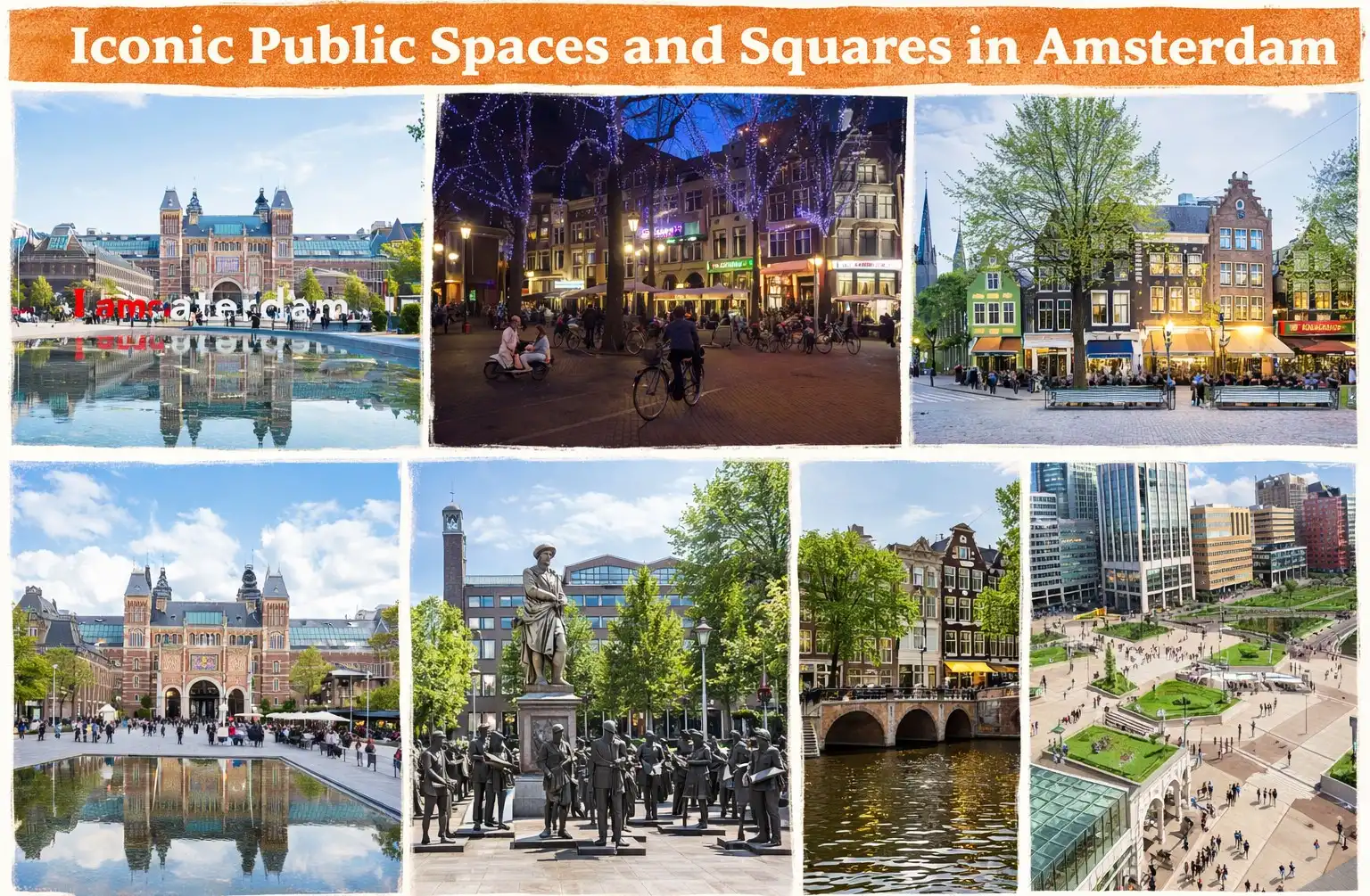
Some squares reflect Amsterdam’s long history as a trading center, while others showcase the city’s lively modern atmosphere. Street performers, cafés, festivals, markets, and nightlife venues all contribute to the energy of these spaces. Visitors who spend time in Amsterdam’s main squares quickly notice how the city transforms from morning to evening. During the day, people gather for shopping, sightseeing, and coffee breaks, while in the evening, many squares become lively social hubs filled with restaurants, music venues, and cocktail bars.
Dam Square: The Historic Meeting Point of Amsterdam
Dam Square stands at the historic center of Amsterdam and remains one of the most recognizable places in the city. The square developed around the original dam built on the Amstel River in the thirteenth century, which later gave Amsterdam its name. Over the centuries, this central space evolved into a major commercial and political hub where merchants, sailors, and travelers gathered.
Today, Dam Square attracts visitors from around the world who come to admire its historic architecture and lively atmosphere. The Royal Palace dominates the western side of the square, while the Nieuwe Kerk stands nearby as an important cultural venue. Street performers, artists, and musicians often entertain crowds throughout the day, creating a vibrant environment that perfectly captures the energy of Amsterdam’s historic center.
Leidseplein: The Heart of Amsterdam Nightlife
Leidseplein transforms dramatically from day to night and is one of Amsterdam’s most energetic nightlife areas. During the daytime, visitors relax at outdoor cafés, browse nearby shops, and enjoy the lively atmosphere of this busy square. As evening approaches, the area becomes a hub for entertainment with theaters, live music venues, cocktail bars, and clubs drawing crowds from across the city.
Many travelers begin their night here before continuing toward nearby entertainment districts or exploring Amsterdam’s famous nightlife scene. Visitors curious about the city’s broader adult nightlife culture can also discover more in our guide to sex clubs in Amsterdam, which highlights several venues that contribute to Amsterdam’s reputation as one of Europe’s most open and vibrant nightlife destinations.
Rembrandtplein: Bars, Restaurants, and Evening Energy
Rembrandtplein offers another lively social hub where visitors gather to enjoy Amsterdam’s vibrant nightlife and dining scene. Named after the famous Dutch painter Rembrandt van Rijn, the square features a statue of the artist surrounded by cafés, bars, and restaurants that remain busy well into the night.
The atmosphere here feels energetic and social, attracting both locals and international travelers. Many restaurants offer outdoor seating during the warmer months, allowing visitors to enjoy drinks or dinner while watching the square’s lively activity. Because of its central location, Rembrandtplein often serves as a natural meeting point for visitors before they head to nearby nightlife venues and entertainment districts.
Nieuwmarkt: History, Markets, and Local Atmosphere
Nieuwmarkt has a different atmosphere from the larger, busier squares of Amsterdam. Located near the historic center, this charming square centers around the medieval Waag building, which once served as a city gate and later as a weighing house for merchants. Today, the structure houses restaurants and cultural spaces that add character to the square.
The square often hosts local markets, small festivals, and community events that bring together residents and visitors. The surrounding streets feature traditional cafés, Asian restaurants, and small shops that reflect the neighborhood’s multicultural character. Spending time in Nieuwmarkt offers travelers a more relaxed glimpse of Amsterdam’s everyday urban life.
Scenic Places That Define Amsterdam’s Character
Amsterdam is a city that reveals its beauty through small details. While museums and landmarks attract visitors from around the world, the true character of the Dutch capital often appears in its scenic corners, quiet canals, historic bridges, and vibrant streets filled with everyday life. For first-time visitors, these picturesque locations help create the visual memories that define a trip to Amsterdam. Walking through the city naturally leads to beautiful viewpoints where historic houses, boats, and tree-lined canals combine into postcard-perfect scenes.
Many of these scenic places sit within the historic canal district, but some appear along lively streets or near modern waterfront areas that show Amsterdam’s evolving identity. Visitors who take time to explore these locations experience the city in a more relaxed way, moving between iconic landmarks and hidden viewpoints that reveal the city’s authentic atmosphere. Whether you are searching for the perfect photo spot or simply enjoying a peaceful walk along the canals, these places capture the city’s visual spirit.
The Skinny Bridge (Magere Brug)
The Magere Brug, often called the Skinny Bridge, stands among the most romantic and recognizable bridges in Amsterdam. This elegant white wooden bridge crosses the Amstel River and connects two quiet residential streets near the historic center. The bridge’s graceful design and simple architecture create a classic Dutch scene that attracts photographers and visitors throughout the year.
During the evening, the bridge becomes even more beautiful when hundreds of small lights illuminate its structure and reflect across the water. Couples and travelers frequently stop here for photos or peaceful walks along the riverbanks. The surrounding canals and historic houses create a calm atmosphere that highlights Amsterdam’s timeless charm.
Canal House Architecture Along Damrak
Damrak offers one of the most iconic views of Amsterdam’s historic canal houses. Located between Central Station and Dam Square, this busy waterfront street displays a row of colorful, narrow buildings that lean slightly toward the water. These distinctive houses often appear in travel photos and postcards representing the city.
The unique architecture reflects the city’s historic building regulations. In earlier centuries, property taxes depended on the width of a building’s façade, so merchants constructed narrow but tall houses that maximized space while minimizing taxes. Today, these buildings create one of the most recognizable skylines in Amsterdam and offer one of the best photo locations in the city.
Floating Flower Market Along Singel
The Bloemenmarkt, Amsterdam’s famous floating flower market, adds vibrant color to the historic Singel canal. This unique market sits on a series of floating platforms where vendors sell flowers, plants, seeds, and traditional Dutch souvenirs. For many visitors, the market provides one of the most cheerful and colorful stops while exploring the canal district.
Tulips remain the most iconic product associated with the Netherlands, and many travelers visit the market specifically to purchase tulip bulbs to bring home. The lively stalls, bright flowers, and canal views create a charming atmosphere that reflects the Netherlands’ long tradition of horticulture and trade.
The IJ Waterfront and Modern Amsterdam
While Amsterdam is famous for its historic canals, the IJ waterfront reveals a more modern perspective of the city. Located behind Central Station, this wide body of water separates the historic center from the rapidly developing district of Amsterdam Noord. Modern architecture, cultural venues, and waterfront terraces create a dynamic contrast with the nearby centuries-old streets.
Visitors often take the short free ferry across the river to experience the area from a different viewpoint. From the northern shore, you can enjoy panoramic views of Amsterdam’s skyline while exploring contemporary buildings, creative spaces, and waterfront cafés. This area highlights how Amsterdam continues to evolve while still preserving its historic identity.
Green Spaces Where Locals Escape the City
Although Amsterdam is famous for its canals and historic architecture, the city also offers several beautiful green spaces where locals and visitors can slow down and relax. These parks provide a refreshing contrast to the busy streets of the historic center. For first-time visitors, spending time in Amsterdam’s parks offers an opportunity to experience the city from a different perspective, one where everyday life unfolds at a relaxed and comfortable pace.
Many residents treat these parks as their outdoor living rooms. People come here to walk, cycle, meet friends, read a book, or enjoy a quiet picnic near the water. During the warmer months, the atmosphere becomes especially lively as terraces fill with visitors and open lawns transform into social gathering spaces. Exploring these green areas allows travelers to experience the calmer side of Amsterdam while enjoying beautiful landscapes that reflect the city’s strong connection with nature.
Vondelpark: Amsterdam’s Most Famous Park
Vondelpark stands as the most famous and beloved park in Amsterdam. Located just a short walk from the Museumplein district, this large green space attracts both locals and visitors who want to escape the busy city center for a while. Tree-lined paths, open lawns, small lakes, and charming bridges create a peaceful environment that invites people to slow down and enjoy the surroundings.
Visitors often rent bicycles to explore the park, just like locals do, while others prefer to relax on the grass or sit at one of the park’s cafés. During summer evenings, the park sometimes hosts open-air performances and small cultural events that add a lively energy to the atmosphere. Spending time in Vondelpark offers one of the most authentic glimpses of everyday life in Amsterdam.
Westerpark and the Creative Westergas Area
Westerpark offers a slightly different atmosphere compared to the traditional parks in Amsterdam. Located west of the historic center, this green space blends nature with creative urban culture. Wide lawns, ponds, and walking paths create a relaxing environment, while the nearby Westergas complex adds a cultural and artistic dimension to the area.
Former industrial buildings at Westergas now serve as cultural venues that host art exhibitions, food markets, festivals, and creative events throughout the year. Visitors who explore Westerpark often combine a peaceful walk with a stop at one of the nearby cafés or cultural spaces. This blend of nature and creativity makes the area especially popular with younger locals and artists.
Oosterpark and the Local Neighborhood Atmosphere
Oosterpark offers a quieter, more residential atmosphere than some of Amsterdam’s larger parks. Located east of the city center, this green space attracts mostly residents who come here for morning jogs, afternoon walks, or casual gatherings with friends. The park’s design includes open lawns, winding paths, and shaded areas that create a calm environment away from the main tourist routes.
Visitors who spend time in Oosterpark often appreciate Tarea’s authentic neighborhood for free. Nearby cafés and restaurants serve residents rather than large tourist crowds, offering a more relaxed experience. Exploring this park allows travelers to observe daily life in Amsterdam while enjoying a peaceful break from sightseeing.
Amsterdamse Bos: The City’s Giant Urban Forest
Amsterdamse Bos offers one of the largest green spaces in the Netherlands and sits just outside the city center. This vast park feels more like a forest than a traditional urban park, with wide natural landscapes, lakes, cycling paths, and quiet picnic areas. Locals often visit Amsterdamse Bos for outdoor activities such as rowing, cycling, hiking, and kayaking.
For travelers who want a break from the busy streets of Amsterdam, the park provides a peaceful natural escape where you can spend several hours surrounded by greenery. Renting a bicycle or taking a relaxed walk through the forest trails allows visitors to experience another side of the city, one that feels calm, spacious, and deeply connected with nature.
Local Places That First-Time Visitors Often Miss
While many travelers focus on Amsterdam’s famous landmarks and busy tourist areas, the city also hides countless quieter places that reveal a more intimate side of its history and culture. These locations often remain just a few streets away from major attractions, yet many visitors walk past them without realizing what lies behind old gates, narrow passages, or discreet entrances. For first-time visitors who want to explore beyond the obvious highlights, discovering these lesser-known places can become one of the most rewarding parts of the trip.
Hidden courtyards, historic houses, creative districts, and unusual museums show how diverse Amsterdam truly is. These places reveal layers of the city that developed over centuries, from medieval religious communities to modern artistic spaces. Exploring these quieter corners allows travelers to escape the crowds while experiencing the authentic atmosphere that locals appreciate every day. Many visitors later realize that these unexpected discoveries become some of the most memorable moments of their visit to Amsterdam.
Begijnhof Courtyard
Begijnhof is one of the most peaceful and historic places in Amsterdam’s busy city center. Located behind a discreet entrance near the lively Spui square, this quiet courtyard dates back to the Middle Ages. It once served as a community for the Beguines, a group of religious women who lived independently without taking formal vows in a monastery.
Today, visitors step through the entrance and suddenly find themselves in a calm garden surrounded by historic houses that contrast sharply with the busy streets outside. The courtyard also contains one of the oldest wooden houses in Amsterdam and a small chapel that reflects the city’s religious history. This peaceful environment offers travelers a rare moment of quiet reflection in the heart of the capital.
NDSM Wharf and Amsterdam’s Street Art Scene
NDSM Wharf is one of Amsterdam’s most creative areas and showcases the city’s modern artistic culture. Located in Amsterdam Noord, this former shipyard has transformed into a vibrant district filled with street art, cultural spaces, music venues, and experimental creative projects. The large industrial buildings now host studios, galleries, and cultural events throughout the year.
Visitors exploring NDSM Wharf often encounter enormous murals, colorful graffiti, and outdoor art installations that change regularly as artists continue to develop the area. The district also features waterfront cafés and restaurants where people gather to enjoy views of the IJ River. This creative environment reflects Amsterdam’s progressive cultural identity and its openness to new artistic ideas.
Museum Ons’ Lieve Heer op Solder
One of Amsterdam’s most unusual historic sites sits inside a seventeenth-century canal house. The museum known as Ons’ Lieve Heer op Solder, which translates to “Our Lord in the Attic,” preserves a hidden Catholic church that once operated discreetly during a time when the Netherlands restricted public Catholic worship.
Visitors walk through several floors of the historic house before reaching the beautifully preserved church hidden inside the attic. The experience reveals an important chapter of Amsterdam’s religious tolerance and complex history. Exploring this unique museum offers a deeper understanding of how communities adapted to religious and political changes during earlier centuries.
Hidden Gardens and Historic Hofjes
Throughout Amsterdam, small hidden residential courtyards known as hofjes remain quietly tucked behind rows of canal houses. These charming gardens originally served as charitable housing for elderly residents or widows during the seventeenth and eighteenth centuries. Many of them still exist today and preserve the peaceful atmosphere of historic Amsterdam.
Visitors who discover these hidden gardens often feel as if they have stepped back in time. Quiet pathways, small flower gardens, and historic brick houses create a calm environment far removed from the lively streets outside. Exploring these hofjes offers a unique glimpse into Amsterdam’s social history and provides another example of the city’s many hidden treasures.
Best Places in Amsterdam for Photos
Amsterdam offers countless scenic locations that feel almost designed for photography. From elegant canals and historic bridges to colorful canal houses and charming neighborhoods, the city provides beautiful views around nearly every corner. For first-time visitors, discovering the best photo spots in Amsterdam becomes part of the travel experience itself. Many travelers enjoy capturing the city’s unique atmosphere as they explore its streets, canals, and public squares.
Some of the most iconic images of Amsterdam come from simple moments: bicycles parked along canal railings, reflections of narrow merchant houses in calm water, or sunset light glowing across historic bridges. Whether you are a casual traveler taking photos with a smartphone or a passionate photographer searching for the perfect composition, these locations offer some of the most photogenic views in the Dutch capital. Exploring these spots also naturally leads visitors through some of Amsterdam’s most beautiful districts.
Canal Houses Along Damrak
The row of colorful canal houses along Damrak remains one of the most photographed views in Amsterdam. Located between Central Station and Dam Square, these narrow buildings lean slightly toward the water and display a mix of architectural styles that developed over several centuries. Their reflections in the canal create the classic Amsterdam image that many travelers recognize instantly.
Photographers often visit this location early in the morning when the area feels quieter, and the water remains calm enough to reflect the historic houses clearly. During sunrise or sunset, the soft light enhances the colors of the buildings and creates a warm atmosphere that perfectly captures the charm of the city’s historic center.
The Bridges of the Canal Ring
The bridges connecting Amsterdam’s canals offer some of the most beautiful panoramic views of the city. Standing on one of these bridges allows visitors to see several canals stretching into the distance, lined with historic houses, trees, and boats gently moving along the water. These layered perspectives create a classic visual composition that photographers love.
Many of the most photogenic bridges sit along Prinsengracht, Keizersgracht, and Herengracht within the historic canal belt. In the evening, small lights illuminate the bridges and reflect across the canals, creating romantic scenes that attract couples and photographers searching for dramatic nighttime images of Amsterdam.
Jordaan Streets and Small Canals
The Jordaan district offers countless charming streets that feel perfect for photography. Narrow canals wind through quiet residential blocks where historic houses, bicycles, and small cafés create authentic scenes of daily life in Amsterdam. Many visitors enjoy wandering through Jordaan specifically to capture these intimate moments that reveal the city’s relaxed character.
Small bridges crossing the canals often provide excellent viewpoints where photographers can frame multiple layers of architecture, water reflections, and tree-lined streets. Because the area feels slightly quieter than the busiest tourist districts, visitors often find it easier to take photos here while enjoying a peaceful walk through one of Amsterdam’s most charming neighborhoods.
Museumplein Skyline Views
Museumplein offers one of the most open and spacious photography locations in Amsterdam. This large public square sits between several of the city’s most famous museums and offers wide views of impressive architecture, green lawns, and reflecting pools, creating interesting visual compositions.
Visitors often capture photos here that include the grand Rijksmuseum building in the background or the modern structures surrounding the square. During sunny days, people relax on the grass, cyclists pass through the area, and outdoor events sometimes fill the space with activity, creating dynamic scenes that reflect Amsterdam’s lively cultural environment.
A’DAM Tower Panorama
For one of the most spectacular panoramic views of Amsterdam, many visitors head to the A’DAM Tower located across the IJ River. This modern observation deck offers a 360-degree perspective of the city, allowing visitors to see the historic canal belt, the harbor, and the expanding skyline all at once.
From this elevated viewpoint, photographers can capture the full layout of Amsterdam and understand how the historic center connects with newer districts across the water. The observation deck also attracts visitors looking for a dramatic photo opportunity while overlooking the canals and rooftops of the Dutch capital.
Suggested Routes to See Amsterdam’s Must-See Places
Amsterdam’s compact layout makes it possible to see many of the city’s most famous places within a short period of time. For first-time visitors, planning a simple walking route helps connect historic neighborhoods, canals, and cultural districts into a smooth travel experience. Because most must-see places in Amsterdam sit within the canal ring and surrounding districts, travelers can explore large parts of the city on foot or by bicycle without needing complicated transportation.
Many travelers prefer flexible itineraries that allow time for spontaneous discoveries along the canals or inside small cafés and shops. A relaxed walking route often reveals unexpected corners that guidebooks rarely mention. Whether you have one day or several days to explore the city, following a general route through the historic center and surrounding neighborhoods helps you experience the most beautiful areas while enjoying the natural rhythm of Amsterdam.
A Walking Route Through the Historic Center
One of the best ways to experience Amsterdam for the first time is to follow a walking route through the historic center. Many visitors begin near Central Station, where the city immediately reveals its mix of historic canals, busy streets, and elegant architecture. From here, travelers can walk along Damrak toward Dam Square, one of Amsterdam’s most recognizable public spaces.
After exploring the square, the route naturally continues through the canal district, where narrow streets cross scenic bridges and lead toward neighborhoods like Jordaan or the Nine Streets. Walking slowly through this area allows visitors to admire historic canal houses, discover small cafés, and experience the authentic atmosphere that makes Amsterdam so memorable.
One-Day Route Through the Canal District
Travelers who spend only one day in Amsterdam often focus on the famous canal belt and nearby neighborhoods. Starting the morning with a relaxed walk along Prinsengracht or Keizersgracht offers beautiful views of historic merchant houses and charming bridges. From there, visitors can continue toward areas like the Nine Streets or Jordaan, where boutique shops, cafés, and galleries create a lively but relaxed environment.
In the afternoon, many travelers visit nearby squares or parks such as Museumplein or Vondelpark before returning to the canal district for dinner or an evening walk. Even with limited time, this route allows visitors to experience some of Amsterdam’s most iconic landscapes.
Two-Day Route Covering Major Areas
If you have two days in Amsterdam, you can explore the city at a more relaxed pace while discovering additional districts beyond the historic center. The first day usually focuses on the canal belt, Jordaan, and the central squares. Walking through these areas offers a clear introduction to the architecture and atmosphere that define the Dutch capital.
The second day can include areas such as De Pijp, Museumplein, or Amsterdam Noord across the IJ River. These districts reveal a more contemporary side of the city, filled with creative spaces, restaurants, and cultural venues. By combining historic areas with modern neighborhoods, visitors gain a complete view of Amsterdam’s diverse character.
Tips for First-Time Visitors Exploring Amsterdam
Visiting Amsterdam for the first time feels exciting because the city combines history, culture, and entertainment in a compact, easy-to-explore environment. Still, a few simple tips can help travelers enjoy the experience more comfortably as they discoverAmsterdam’s must-see places. From understanding how locals move through the city to choosing the best time to explore popular districts, small details often make a big difference during your trip.
Amsterdam rewards visitors who explore slowly. Walking along canals, discovering small neighborhoods, and stopping in local cafés often create more memorable moments than rushing between attractions. Because the historic center remains relatively small, travelers can comfortably combine sightseeing with spontaneous discoveries. With a relaxed approach and a few practical tips in mind, first-time visitors can easily experience the best parts of the Dutch capital while enjoying its unique atmosphere.
Best Time of Day to Explore the Canals
The canals look beautiful throughout the day, but early morning and evening often provide the most memorable experiences. During the morning hours, the streets feel quieter, and the reflections on the water create perfect photo opportunities. Visitors who wake up early often enjoy peaceful walks before the busiest sightseeing hours begin.
Evenings offer a completely different atmosphere. As sunset approaches, canal bridges and historic houses slowly illuminate with warm lights that reflect across the water. This soft evening glow transforms the canal district into one of the most romantic environments in the city, ideal for relaxed walks or dinner along the waterfront.
How to Move Around the City Easily
Amsterdam remains one of the easiest European cities to navigate. Most of the must-see places sit within walking distance of each other, especially inside the canal belt and the historic center. Visitors who enjoy walking often discover that the best way to explore Amsterdam is to follow the canals and small streets that connect the different districts.
Cycling also plays a major role in daily life. Renting a bicycle allows travelers to experience the city like locals do while covering larger distances quickly. Public transport options such as trams and ferries remain available, especially when visiting neighborhoods farther from the historic center.
Areas Where You Can Experience Amsterdam Nightlife
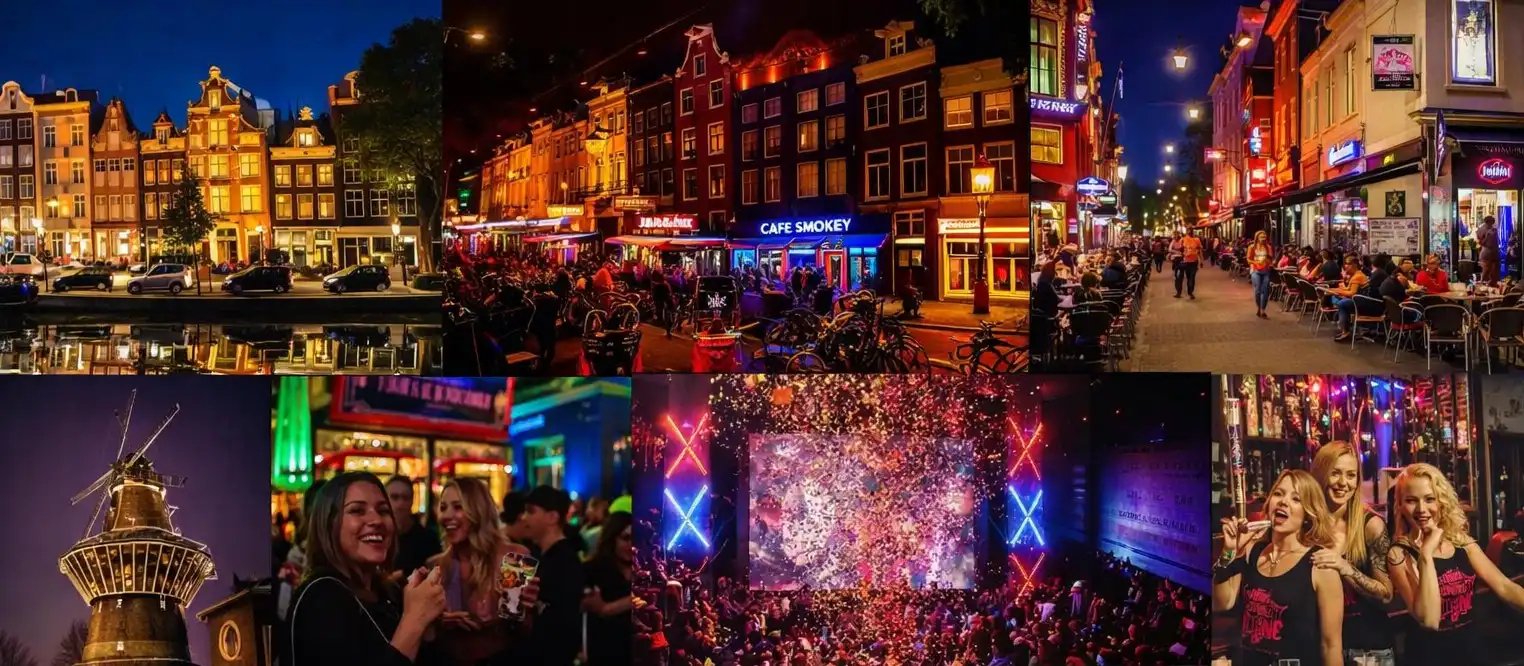
Amsterdam offers a lively nightlife scene that ranges from elegant cocktail bars to energetic clubs and entertainment districts. Areas such as Leidseplein and Rembrandtplein attract visitors who enjoy music venues, late-night restaurants, and social bars. These districts come alive after sunset and remain active well into the early morning hours.
The city is also famous for its open-minded nightlife culture. Travelers curious about this part of Amsterdam often explore nearby entertainment districts, including venues highlighted in our guides to sex clubs in Amsterdam and sex shops in Amsterdam. These guides explain how certain nightlife experiences became part of the city’s famous reputation for openness and freedom.
How Many Days Do You Need to See Amsterdam
Many travelers spend two to three days in Amsterdam, which usually provides enough time to explore the historic center, the canal district, and several key neighborhoods. During a short visit, focusing on the most scenic areas often creates a balanced itinerary that combines sightseeing with relaxation.
Visitors who stay longer often discover additional districts such as Amsterdam Noord or De Pijp, where local markets, restaurants, and cultural venues offer a different perspective of the city. Regardless of the length of your stay, Amsterdam rewards travelers who explore slowly and allow the city to reveal its character naturally.
Don’t Forget About Us: Enjoy Amsterdam With the Right Company
Amsterdam offers far more than historic canals, museums, and scenic neighborhoods. The city is also famous for its open-minded lifestyle, vibrant nightlife, and social culture, which attract travelers from all over the world. After a full day exploring Amsterdam’s must-see places, many visitors look for ways to continue their evening with something more personal, exclusive, and memorable. Dining along the canals, enjoying cocktails in a stylish bar, or experiencing the city’s nightlife can become even more special when shared with the right company.
Some travelers prefer exploring Amsterdam’s nightlife with someone who already understands the city’s best venues, hidden spots, and social atmosphere. Our agency offers a discreet, professional way to enhance your stay with personalized companionship. Whether you plan a romantic dinner, an elegant evening walk through the canal district, or a private night out in the city, spending time with a charming companion can transform a normal evening into a unique Amsterdam experience.
Romantic Evenings and Girlfriend Experience
Many visitors come to Amsterdam seeking a relaxed, intimate travel experience. Sharing your evening with a sophisticated companion can make exploring the city feel even more special. Our girlfriend experience offers a natural, friendly atmosphere where you can enjoy the city together, just like a real couple would.
You might walk together along illuminated canals, enjoy a glass of wine in a stylish lounge, or spend time discovering Amsterdam’s romantic side after sunset. Many visitors appreciate the relaxed companionship and engaging conversation that make their evening feel personal rather than transactional.
Dinner Dates, Hotel Visits, and Overnight Experiences
Amsterdam’s restaurants, cocktail lounges, and elegant hotels create the perfect setting for a sophisticated evening. Some visitors enjoy sharing these moments with a companion who knows how to blend naturally into social environments. Our dinner date service allows guests to enjoy a relaxed evening at restaurants, bars, or rooftop lounges across the city.
Travelers staying in luxury hotels often prefer discreet companionship within their accommodations. Our hotel escort and overnight experience options allow guests to spend more time together while enjoying privacy and comfort during their stay.
Relaxation and Sensual Experiences
After a long day exploring canals, museums, and neighborhoods, some visitors want to relax and enjoy a calm private moment. Amsterdam’s open atmosphere makes it easy to find experiences that focus on comfort and sensual relaxation. Our erotic massage service offers a soothing and intimate way to unwind after a busy day of sightseeing.
Many guests appreciate the peaceful environment and personal attention that create a completely different kind of evening experience. Instead of crowded nightlife venues, this option offers a quiet, private moment focused on relaxation.
Party Nights, Couples, and Exclusive Experiences
Amsterdam also attracts visitors who want to enjoy the city’s famous party atmosphere. Exclusive events, nightlife venues, and private celebrations often become more exciting when shared with the right company. Our party girls service allows guests to experience the energy of Amsterdam’s nightlife with stylish companions who enjoy social environments.
Some travelers explore the city together, as couples or groups, seeking more adventurous experiences. In these situations, services such as couples experiences or threesomes can add an exciting dimension to a night out in the Dutch capital. Whatever experience you choose, Amsterdam offers the perfect setting for unforgettable nights.
Frequently Asked Questions About Must-See Places in Amsterdam
Travelers visiting Amsterdam for the first time often have many practical questions before planning their itinerary. The Dutch capital offers a wide range of attractions, neighborhoods, and experiences, so understanding how to organize your visit can make the trip much smoother. From choosing the best areas to explore to deciding how many days you should spend in the city, a few simple answers can help you enjoy Amsterdam with confidence.
The following frequently asked questions provide the most useful information for first-time visitors who want to discover Amsterdam’s must-see places. These answers focus on practical travel tips, sightseeing advice, and local insights to help travelers explore the city comfortably, including its canals, neighborhoods, and famous cultural landmarks.
What are the must-see places in Amsterdam for first-time visitors?
First-time visitors usually start by exploring the historic canal belt, which forms the visual and cultural heart of Amsterdam. Walking along canals such as Prinsengracht, Herengracht, and Keizersgracht reveals elegant merchant houses, picturesque bridges, and charming streets that embody the city’s classic image.
Many travelers also visit areas like Dam Square, the Jordaan district, Museumplein, and Vondelpark. These locations offer a combination of historic landmarks, cultural attractions, and beautiful public spaces, helping visitors experience Amsterdam’s unique atmosphere.
How many days do you need to see Amsterdam properly?
Most travelers find that two to three days provide enough time to see the main highlights of Amsterdam. Within this timeframe, visitors can explore the canal district, visit several museums, walk through historic neighborhoods, and enjoy the city’s lively café culture.
If you prefer a more relaxed pace or want to explore additional neighborhoods, such as Amsterdam Noord or De Pijp, spending four or five days in the city lets you discover more hidden places and local experiences without feeling rushed.
Is Amsterdam a walkable city for tourists?
Yes, Amsterdam is one of the most walkable cities in Europe. The historic center and canal belt remain compact, allowing visitors to reach many of the must-see places within short walking distance. Most major attractions sit within a few kilometers of each other.
Walking also allows travelers to experience the city’s authentic rhythm. Small cafés, boutique shops, canals, and scenic bridges appear around almost every corner, making a simple walk through the city one of the most enjoyable ways to explore Amsterdam.
What is the best time of year to visit Amsterdam?
Amsterdam remains beautiful throughout the year, but spring and early autumn often provide the most pleasant travel conditions. During spring, visitors can enjoy blooming tulips, mild weather, and longer daylight hours, making sightseeing comfortable.
Autumn offers a quieter atmosphere with colorful leaves along the canals and fewer tourist crowds. Summer remains the busiest season due to festivals and warm weather, while winter brings cozy holiday markets and festive lights across the city.
What neighborhoods should tourists explore in Amsterdam?
Several neighborhoods offer excellent experiences for first-time visitors to Amsterdam. Jordaan offers charming canals, boutique shops, and relaxed cafés, while the Nine Streets area features stylish shopping streets in the historic canal district.
Other interesting neighborhoods include De Pijp, with its lively street markets and restaurants, and Amsterdam Noord, which showcases modern architecture, creative spaces, and waterfront views across the IJ River.
Are canal cruises worth doing in Amsterdam?
Canal cruises offer one of the best ways to experience Amsterdam’s historic waterways. Seeing the city from the water provides a completely different perspective of the elegant canal houses, historic bridges, and tree-lined streets.
Many cruises include guided commentary that explains the city’s history and architecture. Evening canal cruises can feel especially magical as the bridges and canal houses illuminate and reflect across the water.
Is cycling the best way to explore Amsterdam?
Cycling plays an essential role in everyday life in Amsterdam, and many visitors enjoy renting a bicycle to explore the city as locals do. The city features well-designed bike lanes that make cycling safe and convenient.
However, first-time visitors who feel less confident navigating busy cycling streets may prefer walking or using trams for shorter distances. Once you become familiar with the city layout, cycling becomes an enjoyable way to explore neighborhoods beyond the historic center.
What are the best photo spots in Amsterdam?
Some of the most famous photography locations in Amsterdam include the canal houses along Damrak, the scenic bridges of the canal ring, and the charming streets of the Jordaan district. These areas provide the classic views that many travelers associate with the Dutch capital.
Other popular photo spots include the Magere Brug (Skinny Bridge), Museumplein, and panoramic viewpoints such as the A’DAM Tower. Early morning or sunset often provides the best lighting conditions for photography.
Is Amsterdam safe for tourists?
Amsterdam generally ranks as a safe city for travelers. The city welcomes millions of visitors every year, and most areas remain comfortable to explore during both day and evening hours.
Like any major tourist destination, visitors should stay aware of their belongings in crowded areas such as train stations or busy streets. Following basic travel safety habits usually ensures a smooth and enjoyable trip.
What makes Amsterdam different from other European cities?
Amsterdam stands out because of its unique canal network, historic merchant houses, and strong cycling culture that shapes everyday life in the city. The compact layout allows visitors to move easily between historic districts, parks, and cultural attractions.
The city also maintains a reputation for openness, creativity, and social freedom. This combination of historic beauty, cultural diversity, and relaxed atmosphere makes Amsterdam one of the most distinctive travel destinations in Europe.
Comments
No Comments yet.
Post Your Comment